
The Benefits of Orthopaedic Bracing
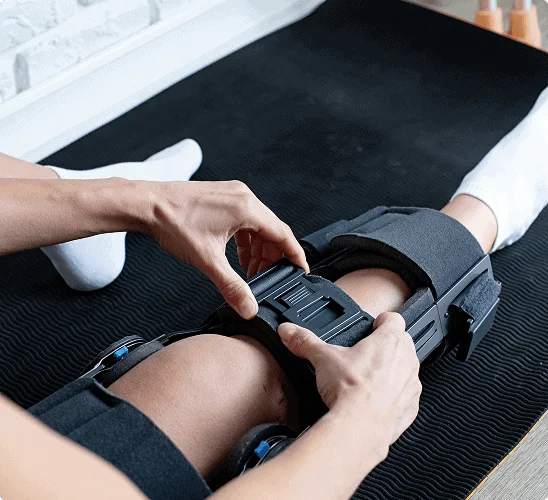
Before and After Surgery Patients
Bracing may be recommended to:
- Provide additional joint support before or following a procedure
- Protect healing structures during recovery
- Support safe, controlled movement as activity levels change
Athletes
Orthopaedic bracing can be used by athletes at various stages of training, competition, or recovery to provide added support to joints under physical stress. Bracing may be recommended following an injury, during return-to-activity phases, or as part of an overall injury management plan to help support movement and stability during sport-specific activities.
Bracing may be recommended to:
- Provide additional support to joints during training or play
- Assist with stability following injury or during recovery
- Support controlled movement during a gradual return to activity


Weekend Warriors
Many people stay active through recreational sports, fitness classes, or outdoor activities on a part-time basis. Orthopaedic bracing may be used to provide additional support to joints that are placed under occasional or increased physical demands. Bracing can be helpful during flare-ups, after minor injuries, or when returning to activity following time away.
Bracing may be recommended to:
- Provide added joint support during recreational activity
- Assist with stability during periods of increased activity
- Support controlled movement as activity levels change
Travellers
Extended periods of sitting, walking, or carrying luggage can place added stress on joints and soft tissues. Orthopaedic bracing may be used while traveling to provide additional support and help manage movement during long flights, road trips, or sightseeing activities. Bracing can also be helpful for individuals who want extra support while navigating unfamiliar or physically demanding environments.
Bracing may be recommended to:
- Provide added joint support during prolonged sitting or walking
- Assist with stability while navigating uneven surfaces
- Support for comfort and movement during extended travel


Individuals Living with Diabetes
Orthopaedic bracing may be used by individuals living with diabetes to provide additional support and protection to the lower limbs, particularly where sensation, circulation, or joint stability may be affected. Bracing can be considered part of an overall care plan to help support mobility and daily activities, as recommended by a healthcare provider.
Bracing may be recommended to:
- Provide additional support to the foot, ankle, or lower limb
- Assist with stability during walking or standing
- Support safe movement during daily activities
Individuals with Disabilities
Orthopaedic bracing may be used by individuals with disabilities to provide additional support, stability, or assistance with movement during daily activities. Bracing can be considered as part of an individualized care plan to help support mobility, positioning, and functional needs, based on each person’s goals and abilities.
Bracing may be recommended to:
- Provide additional joint or limb support
- Assist with stability during standing or walking
- Support safe and functional movement in daily activities
